Gi and no-gi are the same art, but they are not the same match. The gear is different, the grips are different, the pace is different, and in many organizations the rules are different too. If you've only trained one, your first tournament in the other can feel like a new sport.
Here's what changes on match day, and how to choose which one to enter.
At a glance
| Topic | Gi | No-gi |
|---|---|---|
| What you wear | Approved gi and belt; color and fit often checked | Rash guard and grappling shorts or spats; no pockets or zippers |
| Grips | Collar, sleeves, pants, belt | Wrists, neck, underhooks, overhooks, body locks |
| Pace | Slower, more controlling | Faster, more scrambles |
| Divisions | Usually by belt | Often beginner, intermediate, advanced (varies by event) |
| Weigh-ins | Often in the gi, sometimes right before your first match | Usually in competition gear |
| Leg locks | Often restricted for lower belts | Often more allowed, depending on level and organization |
Rules vary by organization and change over time, so always check the rulebook for your event.
The gear check
In the gi, the uniform is part of the rules. Many organizations check your gi before you step on the mat: color, sleeve length, pant length, and condition. A gi that's too short, torn, or the wrong color can get you sent back to change. Bring a backup gi if you have one.
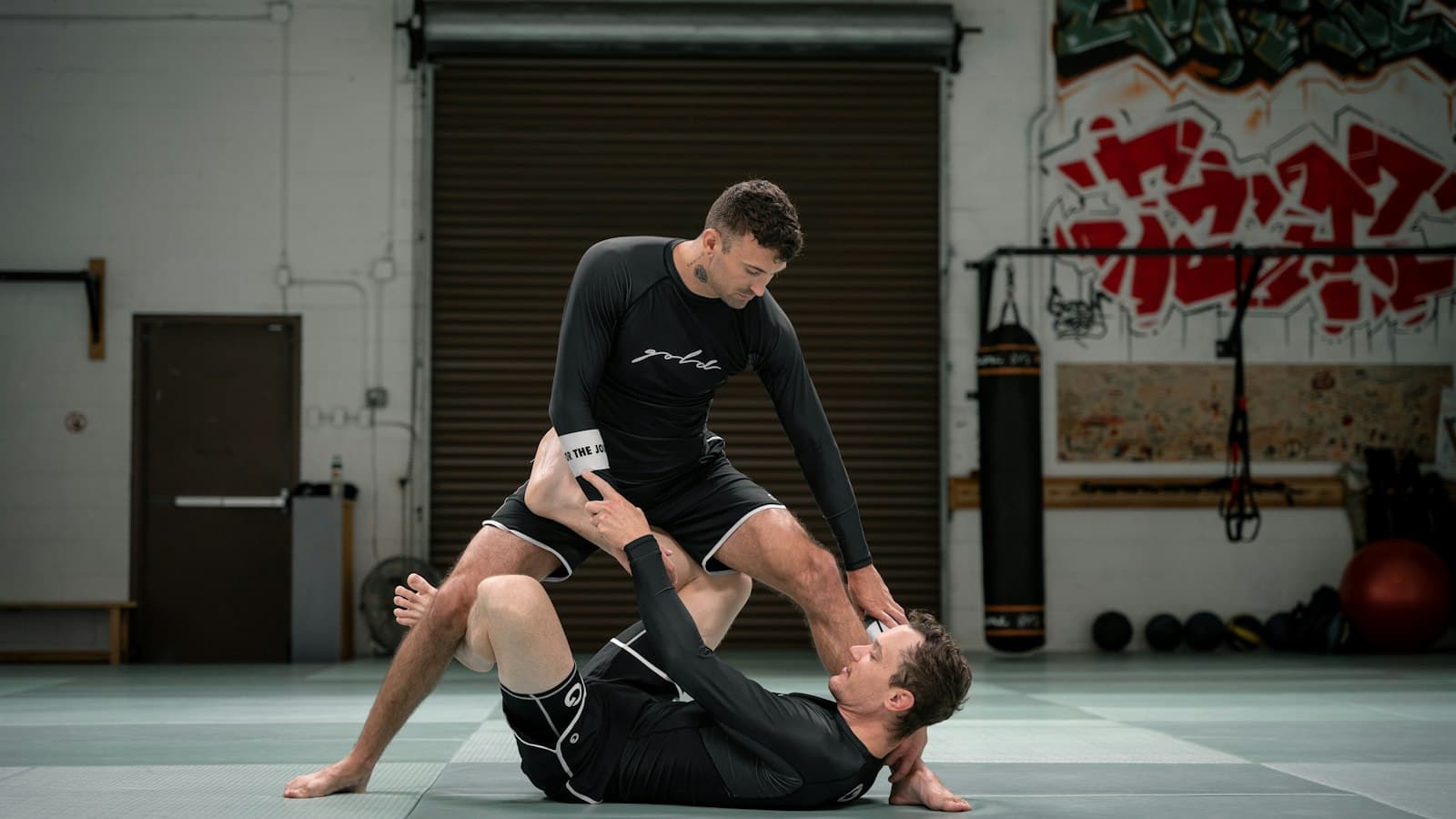
No-gi gear is simpler but still has rules. Most events want a fitted rash guard and grappling shorts with no pockets, zippers, or exposed metal. Some allow spats under shorts. Leave the board shorts with the cargo pocket at home.
For both: trimmed nails, no jewelry, and clean gear. A referee can stop you over any of it.
Be ready for the speed
No-gi jiu-jitsu, like wrestling, is usually much faster than gi jiu-jitsu. In the gi, people take grips that are very restrictive, and that slows everything down. No-gi doesn't give you those holds, so be ready for the pace and the quickness of your opponents.
Don't count on being able to hold people down. Without grips, knee on belly isn't as stable, side control is harder to keep, and armbars are harder to finish because sweaty arms slip out. Some tournaments let competitors go shirtless, which makes it even harder.
Unfortunately, some people put on lotion that gets even more slippery once they start to sweat. If you suspect it, ask the referee to check. It's something we still have to deal with in this sport.
How the grips change the match
The gi gives both people handles. You can control someone from a collar grip or a sleeve grip, which slows the match down and rewards patience. Guard players have more options, and escapes take more work because your opponent can hold onto your clothing.
No-gi takes those handles away. You control with your arms around the body, the head, and the wrists. Sweat makes everything slippery. Positions change faster, and athletes who scramble well tend to do better.
If you train mostly in the gi, expect your first no-gi match to feel fast and loose. If you train mostly no-gi, expect your first gi match to feel like you're stuck in mud.
Scoring and submissions
Many gi tournaments use points, advantages, and penalties, with a referee's decision as the last tiebreaker. No-gi events are more likely to use alternative formats: submission-only matches, overtime rounds, or rules with no advantages.
The biggest rule difference for most competitors is leg locks. No-gi usually allows more of them, especially heel hooks. Many gi tournaments don't allow heel hooks at all, while many no-gi events do, depending on your level. Which leg attacks are legal often changes between organizations and from year to year, so know the rule set before you go in. Getting disqualified for a move you didn't know was banned is a long drive home.
Weigh-ins
Check whether your event weighs you before the tournament or right before your first match. In the gi, you usually weigh in with the gi on. In no-gi, you weigh in wearing your no-gi gear, but the weight limit is usually lower.
For example, a division might have a 207-pound limit in the gi and a 203-pound limit in no-gi. Don't mix the two up, or you could come in overweight. Check the weight chart for the exact discipline you entered.
Which should you enter first?
Enter what you train most. Your timing, your grips, and your game plan all come from your training, and a tournament is the wrong place to learn a new one.
If you train both equally, many people find the gi a better first tournament because the slower pace gives you time to think. Others prefer no-gi because the matches are shorter and simpler to score. Either is fine. Ask your coach which one fits your game.
When you're ready, filter the calendar for gi tournaments or no-gi tournaments near you. New to competing? Start with how to pick your first BJJ (Brazilian Jiu-Jitsu) tournament.