Missing weight is the most avoidable way to lose a tournament. You paid the entry fee and drove to the venue, and you're out before your first grip. Usually the cause is picking the wrong class or guessing at the scale. This guide covers how to choose a class, how to get there safely, and what to do on weigh-in day. It applies to jiu-jitsu, judo and wrestling.
Medical disclaimer: I'm not a doctor, and this guide isn't medical advice. Always consult a physician before starting any weight loss plan or cutting weight for a competition.
Key takeaways
- Never cut weight for small children. It is strongly discouraged.
- Cutting weight is difficult and can be hard on your body. Get advice from a physician before you try it.
- Don't dehydrate yourself to make weight.
- Cutting weight for a same-day weigh-in will leave you weak for your matches.
- Any weight cut should be manageable.
- Preparation is key.
- Starting early always helps.
- If this is your first tournament, don't cut weight. Get the full tournament experience and some time on the competition mat before you ever cut.
Start with your walking weight
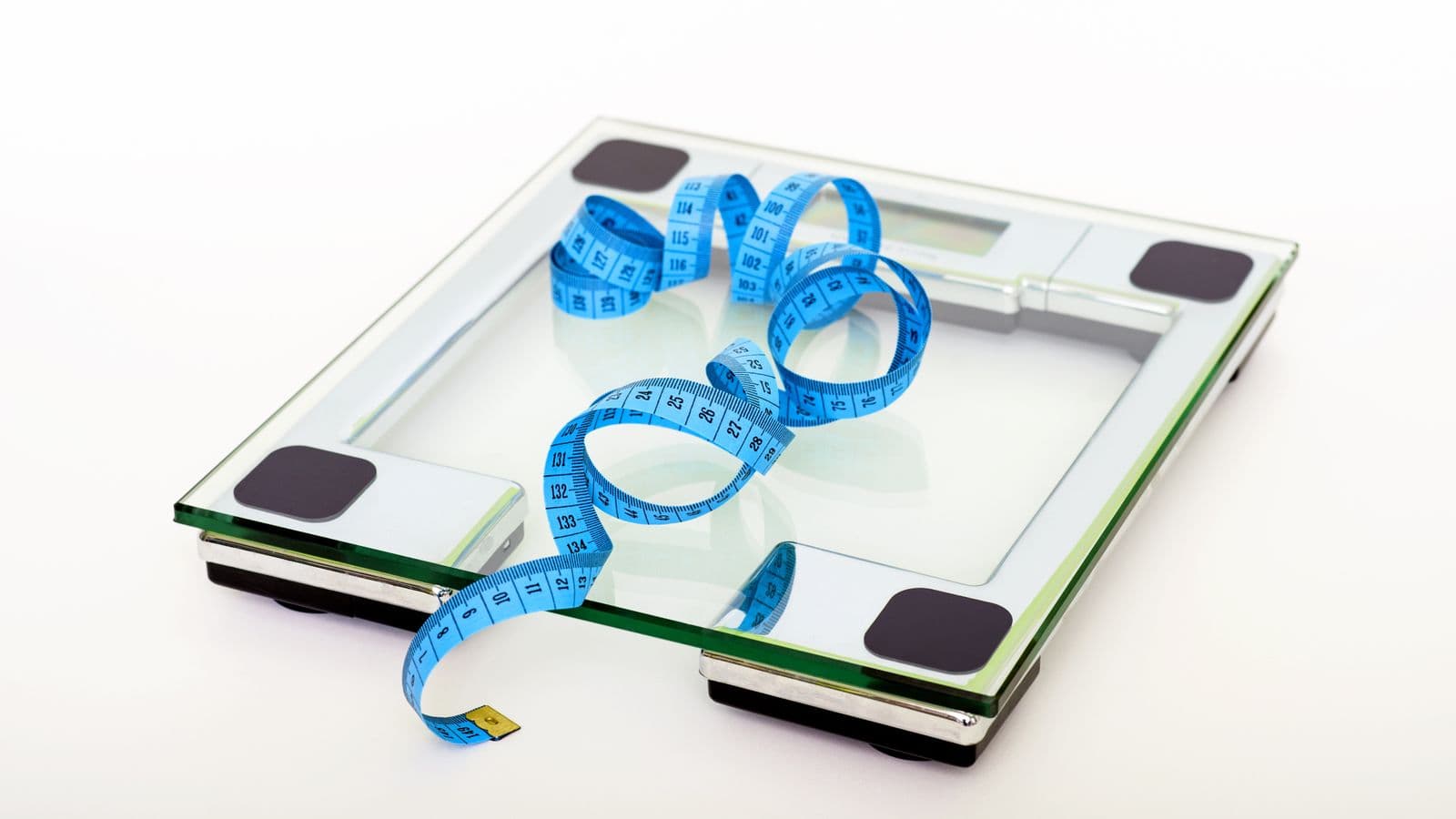
Your walking weight is what you weigh on an ordinary morning, not after a hard training week or a big weekend. For one week, weigh yourself first thing each morning on the same scale, after using the bathroom and before eating. The average of those readings is your real starting point.
Pick a class you can make without suffering
For most people, and for every first-timer, the right class is the one you're already in or within a few pounds of. If you're a couple of pounds over a limit with several weeks to go, steady changes to how you eat will get you there. If you're 10 pounds over a week out, move up. You'll compete better at full strength in a heavier class than drained in a lighter one.
Before you choose, check two things on your organization's chart. First, find out whether you weigh in wearing your gi. If you do, weigh yourself in the gi you'll compete in, because it can add 3 to 5 pounds (more on that in gi vs. no-gi tournaments). Second, find out when weigh-in happens. A weigh-in right before your first match leaves no time to recover.
If you need to come down, start early and go slowly
A gradual pace lets you keep training hard and arrive strong. For most adults that means losing somewhere around half a pound to a pound and a half a week. Focus on habits you can repeat: regular meals built around protein and vegetables, fewer liquid calories, fewer late-night snacks, and consistent training. Crash diets cost you strength and focus right when you need them most.
To map out your own cut, try the weight cut planner: pick your class, your weight, the date and a mild, medium or aggressive pace, and it lays out a target for each week, or tells you to move up a class.
Don't dehydrate yourself to make weight
Many grappling events weigh you minutes before your first match. There's no time to recover from sweating out water, so a dehydrated competitor walks onto the mat weaker and slower, with a higher risk of injury and heat illness. Saunas, sweat suits, diuretics, laxatives and skipping water to make weight are dangerous, and several organizations warn against them in their own rules. If dehydrating is the only way you can make a class, you're in the wrong class.
Kids should compete at their natural weight
Children and teens should never cut weight. Register them in the class they're in on a normal day, check them on a scale a few days before the event, and leave room for a growth spurt between registration and competition. Most kids' organizations encourage this, and many will move a child up a class instead of disqualifying them if you contact them before the deadline.
Weigh-in day
Know exactly when and where weigh-ins happen, because tournaments handle them differently. Many weigh you minutes before your first match, so whatever you weigh at the scale is what you compete at. Some tournaments let you weigh in the day before, usually during a set window at the venue or the host hotel. That gives you an evening to eat and rehydrate before you compete, so if your event offers it, it's often the smarter choice. Read the rules first, though: some events that weigh in the day before also check weight again on competition day, and missing either one can cost you your division.
Bring the gi you'll compete in if your division weighs in with it, and don't wear extra layers onto the scale. Official scales often read differently from home scales, so use the practice scale if the event has one. Eat a light, familiar breakfast and drink normally. After you make weight, have a small meal or snack and keep sipping water through the day.
If you're not going to make it
Change your class before the deadline. Most organizations let you switch your weight online or by email up to a few days before the event. After that, missing weight usually means disqualification with no refund. Moving up costs you nothing but a little pride.
When to get help
If you're planning a large weight loss, have a health condition, or are preparing for a high-stakes event, talk to your doctor or a sports dietitian first.
My personal weight strategy
- I start about 8 weeks out and try to drop only one weight class.
- I hit my weight through a healthy daily calorie deficit: eating healthy foods, limiting sodium, drinking plenty of water, and getting a good amount of exercise.
- I set a daily calorie target so the math works out over the 8 weeks and gets me down to my bracket weight.
- If weigh-ins are the day before, I'm okay using the sauna or other sweating techniques to lose up to 3 to 4 pounds. I weigh over 200 pounds, so I have room to do this.
- If weigh-ins are the day of the tournament, I don't use the sauna or sweating techniques. Losing a few pounds isn't worth the drop in performance.
- Starting early is key.
Find your weight class
Every organization draws its lines differently. GrappleComp has a weight class guide for each major organization, with men's, women's and kids' tables, so you can find your class before you register.